

Rocks Of Offense Turned Into Walls Of Protection
“Prepare the way for the Lord; make straight in the wilderness a highway for our God. Every valley shall be raised up, every mountain and hill made low; the rough ground shall become level, the rugged places a plain.”
(Isaiah 40:3-4)
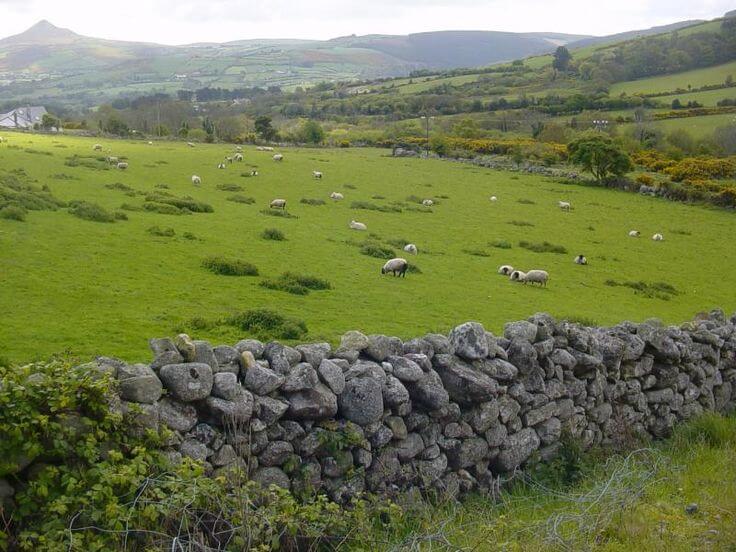
When we were in Ireland ministering several years ago, I remember asking one of the farmers about the beautiful rock walls that separated the pastures. He told me those rocks once lay scattered in the fields but had to be removed as they plowed, or the harvest would be hindered. The very stones that once stood in the way became the stunning walls that now stretch across the countryside.
In life, these rocks picture the offenses we encounter as we plow through relationships and responsibilities. Jesus said, “No one who puts his hand to the plow and looks back is fit for the kingdom of God” (Luke 9:62). We do not want rocks of offense to cause us to look back and create a crooked furrow.
Perhaps you’ve seen a field where the plowing tractor had to go around a tree or a large rock in the pasture—every subsequent row shows the curve, and the whole field testifies that something was in the way. As Christian workers, we are called to remove those obstacles, those rocks of offense—so nothing diverts the straight line God has called us to plow. Isaiah gave the answer: to prepare the way for the Lord, you must “remove the stones” (Isaiah 62:10).
Isaiah also wrote, “Prepare the way for the Lord; make straight in the wilderness a highway for our God. Every valley shall be raised up, every mountain and hill made low; the rough ground shall become level, the rugged places a plain” (Isaiah 40:3–4). In biblical times, when a king or Caesar was coming to a village, it was the people’s responsibility to prepare the road—removing rocks and obstacles, leveling rough ground, and making the way ready for the royal arrival. In the same way, not only do we remove the rocks—the “rough places”—which are offenses, and use them to build walls of strength and beauty, but in so doing, we prepare the way for the Lord in the realms of our influence. Presenting Christ without offense in our hearts is the goal.
You must pick up the rock—the offense—and, by faith, forgive the offender. Carry it out of the pasture of your mind and refuse to review it again. This is spiritual work. You may not feel anything in the moment—it’s an act of faith, as most of what God asks us to do is. Sometimes a simple, honest conversation with the one who offended you can clear things up. If not, don’t let their rocks clutter your field.
I once ministered to an adult who had been deeply hurt and didn’t want to forgive. I told them, “In your heart, point to the person and simply say, ‘I forgive you.’” It wasn’t about feelings—it was about faith. If you don’t deal with offenses, they will become stumbling blocks for the rest of your life. I’ve met people who have kept hitting the same rock year after year, never moving forward because they refused to remove it from their pasture.
The rocks that once littered the Irish pastures became beautiful walls of protection for crops and safe boundaries for grazing sheep. In the same way, when you face the rocks of offense, pick them up, carry them out, and build with them—let them become walls of strength and beauty in your life. The rock that once hindered you can help you, and the harvest you’ve worked for will bear fruit.
Christ will give you the strength for the task. Hallelujah!






Hello Plowman
I was reading Ezekiel this morning about the joining of the two sticks in the prophets hand. I recalled the day when your team emerged from the bus in BANTRY IRELAND with a bundle of sticks and told of their prayers for our country . They gave me one of those sticks with your website address on it. The sequel is quite a story which I could relate to you sometime, regarding a pilgrim walk that we have re opened and use for gospel ministry http://www.topoftherock.ie
Blessings David Ross